
From bar shifts to bank tests: Ari Bakhti-Suroosh, C'22, found a calling in ethical hacking
When Ariyan “Ari” Bakhti-Suroosh enrolled in the University of Richmond School of Professional and Continuing Studies (URSPCS), he was searching for a path that could support his appetite for challenge and adventure. A former bartender who began his return to higher education at John Tyler Community College (now Brightpoint), he knew he wanted to work with technology but had not yet found the focus that would shape his professional life. That changed at SPCS.
The turning point arrived in the course ISYS 370U Intro to Ethical Hacking, which was taught by adjunct instructor Nicholas Popovich. “Everything instantly became so clear,” Ari recalled. “I would do whatever it took to become exactly like this man.”
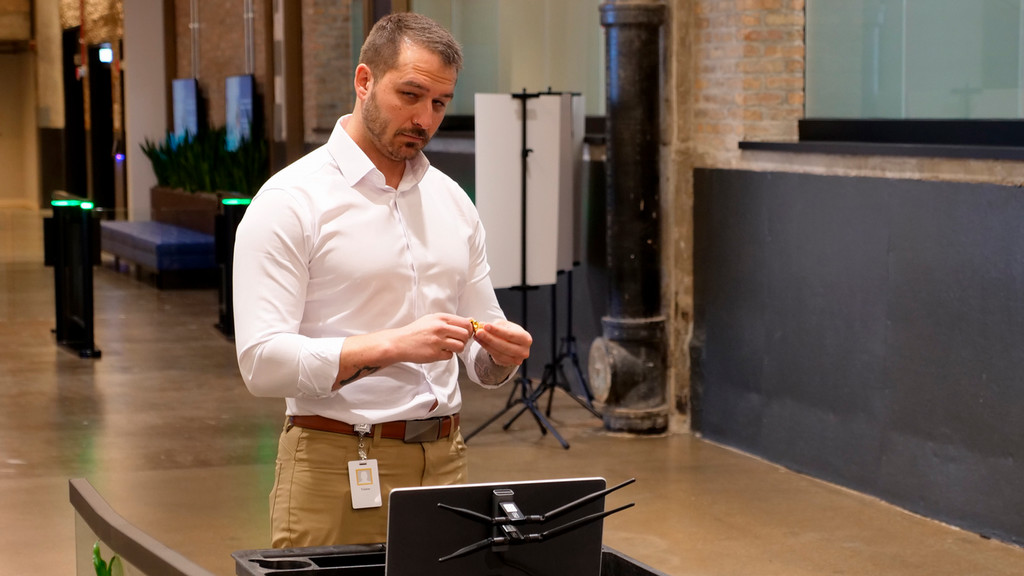
On the first day, Popovich mentioned he would miss a week of class because he would be “breaking into a bank for work,” an example that translated theory into practice and reframed Ari’s understanding of information security. In a later class session, Popovich rolled out a box “filled with everything you need to break into a building — badge cloners, badge replicators, double-door tools, lock picks.” For Ari, the field’s real-world stakes — and its ethical responsibilities — came sharply into view.
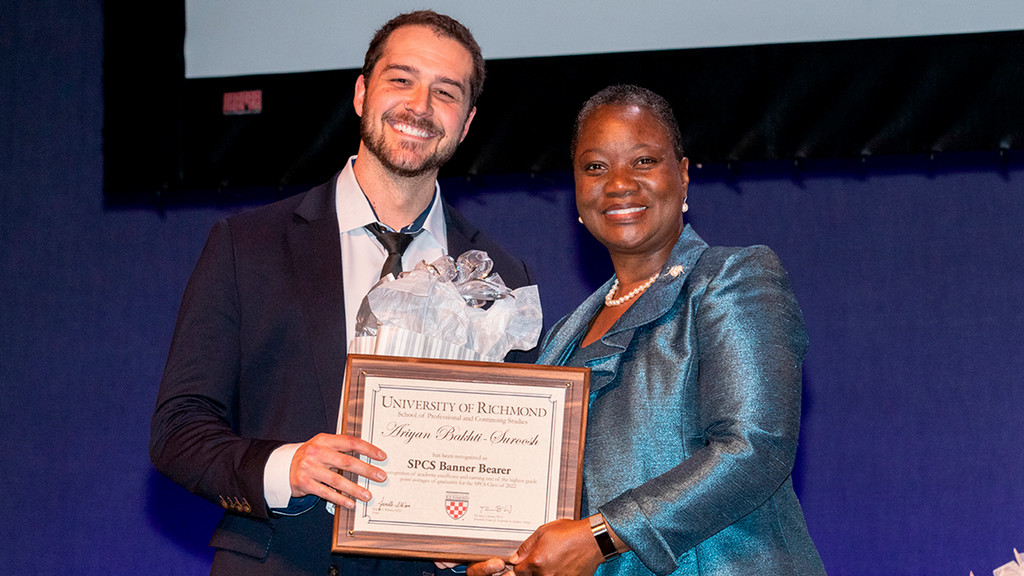
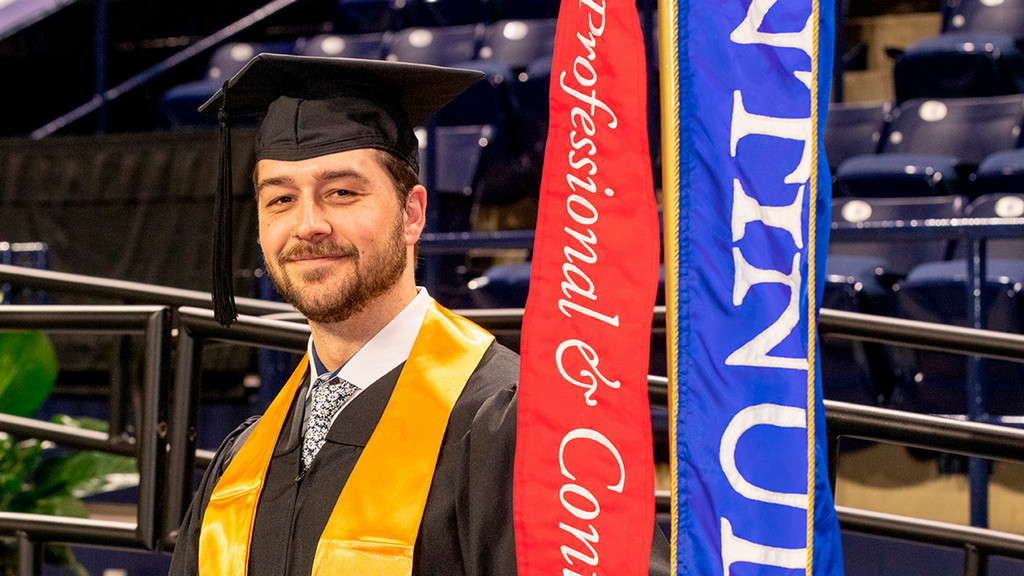
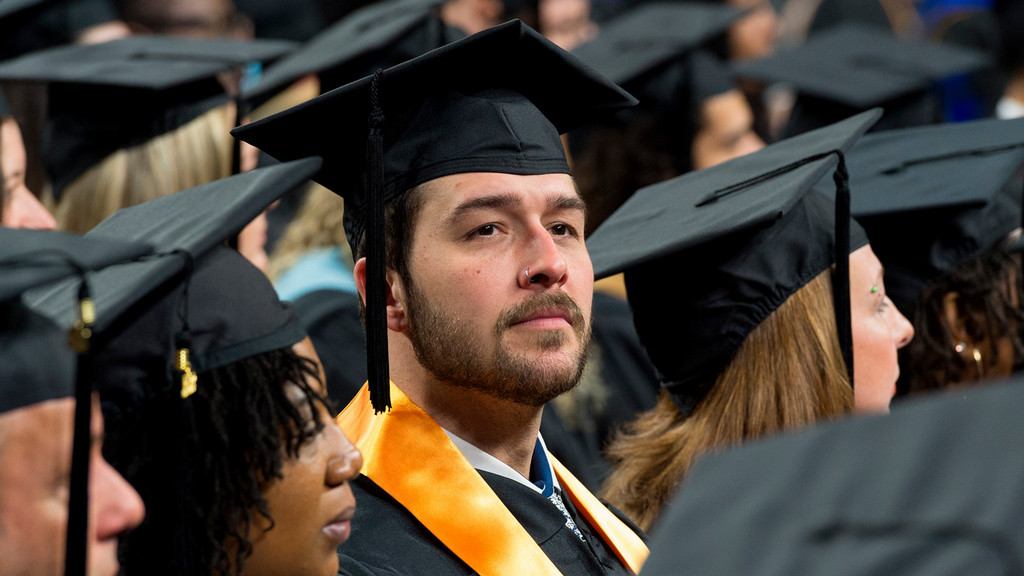
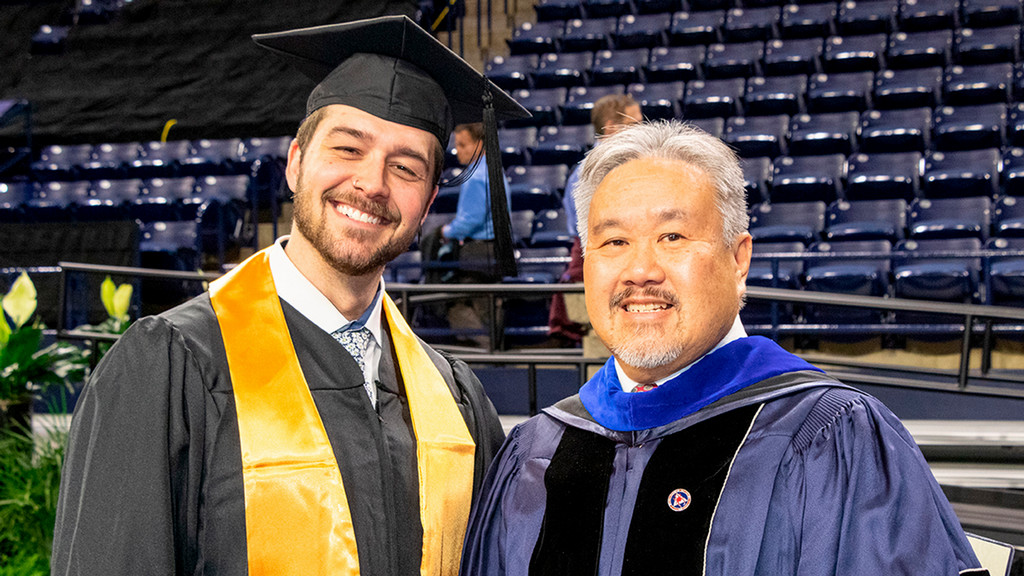
Ari earned a BSPS with a major in Information Security and graduated with honors in 2022. He was recognized as the SPCS Banner Bearer at the year’s Commencement Exercises. The academic achievement reflected both his commitment and the practical design of the program.
“Thanks to the school’s commitment to hiring adjunct professors who work in the field they teach in, I got a job in information security while still going to school,” he said. Through meetups and class-connected networking that SPCS intentionally fosters, Ari secured industry employment with a year of coursework remaining. “Were it not for the program I would not be where I am,” he added.
How often can you really trace so much of your life to a single class?
Balancing study and work required intention. Ari credits a flexible schedule at work — the busy Southern Railway Taphouse — along with the support of his manager, Chris Farag, for enabling him to prioritize school while bartending primarily on weekends. The structure helped him transition from service shifts to security engagements without losing momentum.
After graduating, Ari joined Optiv, the same firm where Popovich worked while teaching, conducting physical penetration tests and advancing from associate to senior consultant over five-and-a-half years. When Popovich launched Rotas Security, Ari followed, becoming a principal security consultant. He has since relocated to Denver to pursue mountain hobbies alongside work, a life aligned with the autonomy he envisioned when he returned to school.
He even carries a visible reminder of the class that set his direction: “370U [the course number of his Introduction to Ethical Hacking class] is tattooed on my right arm… How often can you really trace so much of your life to a single class?”
To prospective students weighing a return to the classroom, Ari offers measured advice: “Carefully consider what it is you’re trying to do and make sure going to school is how you achieve it. If the answer is indeed school, then you’ve found in SPCS a great program with great people and you’re going to get a ton out of it.”
His journey underscores the SPCS model: practitioner-led instruction, structured networking, and applied learning that translates directly to professional opportunity.